
Oral Hygiene
Care for your teeth and gums and give your smile the attention it deserves.
Gums that bleed when brushing, stains on your teeth or questions about daily cleaning can leave you unsure whether you need an appointment or a change in habits. An oral hygiene appointment helps assess these concerns and guide your care, even when there is no pain.
At Clinimed, we welcome adults and children for oral hygiene care that includes professional cleaning, a check-up and guidance for everyday care.
What is oral hygiene and what is it for?
Oral hygiene encompasses the care that helps keep your teeth and gums healthy. Brushing and cleaning between your teeth help control dental plaque, also known as biofilm: a film of bacteria that forms on tooth surfaces.
When plaque builds up, it can contribute to tooth decay and inflammation of the gums, or gingivitis. It can also harden into tartar, which requires professional removal.
Daily care and professional follow-up complement each other. The aim is to control these deposits, support gum health and identify any need for assessment or treatment. Cleaning alone may not be enough to address all your oral health needs.
What does an appointment at Clinimed include?
During the same visit, we carry out an oral health check-up and hygiene procedures that include scaling both dental arches — removing tartar from the upper and lower teeth — together with the removal of plaque and staining using an erythritol powder jet with the EMS AIRFLOW system. When necessary, X-rays are taken to complement the assessment.
If the check-up identifies a need for other treatments, the hygienist refers you to clinicians in the appropriate areas. The appointment therefore also helps establish whether you need care beyond oral hygiene.
Cleaning with EMS AIRFLOW
EMS AIRFLOW uses a jet of air, water and erythritol powder to remove biofilm and superficial stains from teeth. Removing this staining can improve the appearance of your teeth, but it is different from tooth whitening.
Using erythritol may provide a more comfortable cleaning experience than some conventional approaches. The system uses temperature-controlled water for greater comfort, adapting to each person’s sensitivity.
What if you have sensitivity or feel anxious about the appointment?
If you have sensitive teeth, are worried about discomfort or have had a difficult experience before, share your concerns. You can explain how you are feeling, ask questions and request breaks during the procedures.
This technique supports a more comfortable cleaning experience, with particular attention to the needs of people with sensitive teeth.
Care that continues at home
At the end of the appointment, you receive demonstrations or written guidance for your daily care. You can ask questions about brushing, choosing products or using dental floss and interdental brushes.
Brushing at least twice a day with fluoride toothpaste and cleaning between your teeth daily are important steps. The technique and products should be appropriate to your needs and age.
The hygienist determines when you should return based on the assessment of your case. The interval between appointments is not the same for everyone.
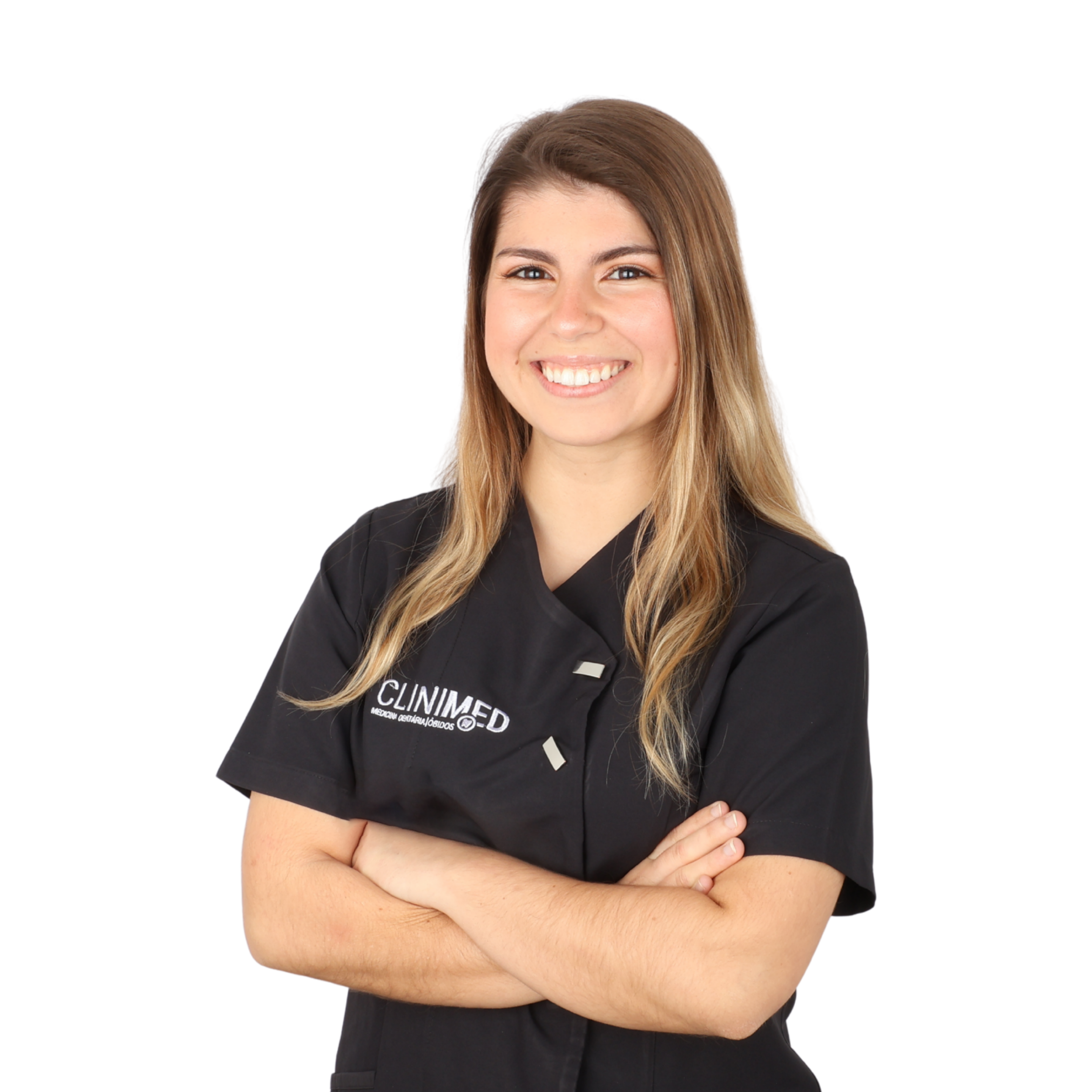
Drª Adriana Neves
ACSS C-071568085
Tuesday and Thursday
9 am to 7 pm